
How different cultures view gambling around the world
Historical Perspectives on Gambling
Gambling has existed in various forms for thousands of years, shaped by cultural, religious, and historical contexts. In ancient China, for example, the earliest recorded evidence of gambling dates back to around 2300 BC, where games like Keno emerged, illustrating a society that embraced chance and luck.
In contrast, the Roman Empire utilized gambling as a form of entertainment among its citizens, even during military campaigns. These historical nuances lay the groundwork for the multifaceted ways societies have come to view gambling through the ages. Each civilization contributed distinct perspectives, underlining the adaptability of gambling to various social needs and norms. Through artifacts such as ancient dice found in archaeological sites, we see how this pastime was not limited to the elite but was accessible to a wider audience.
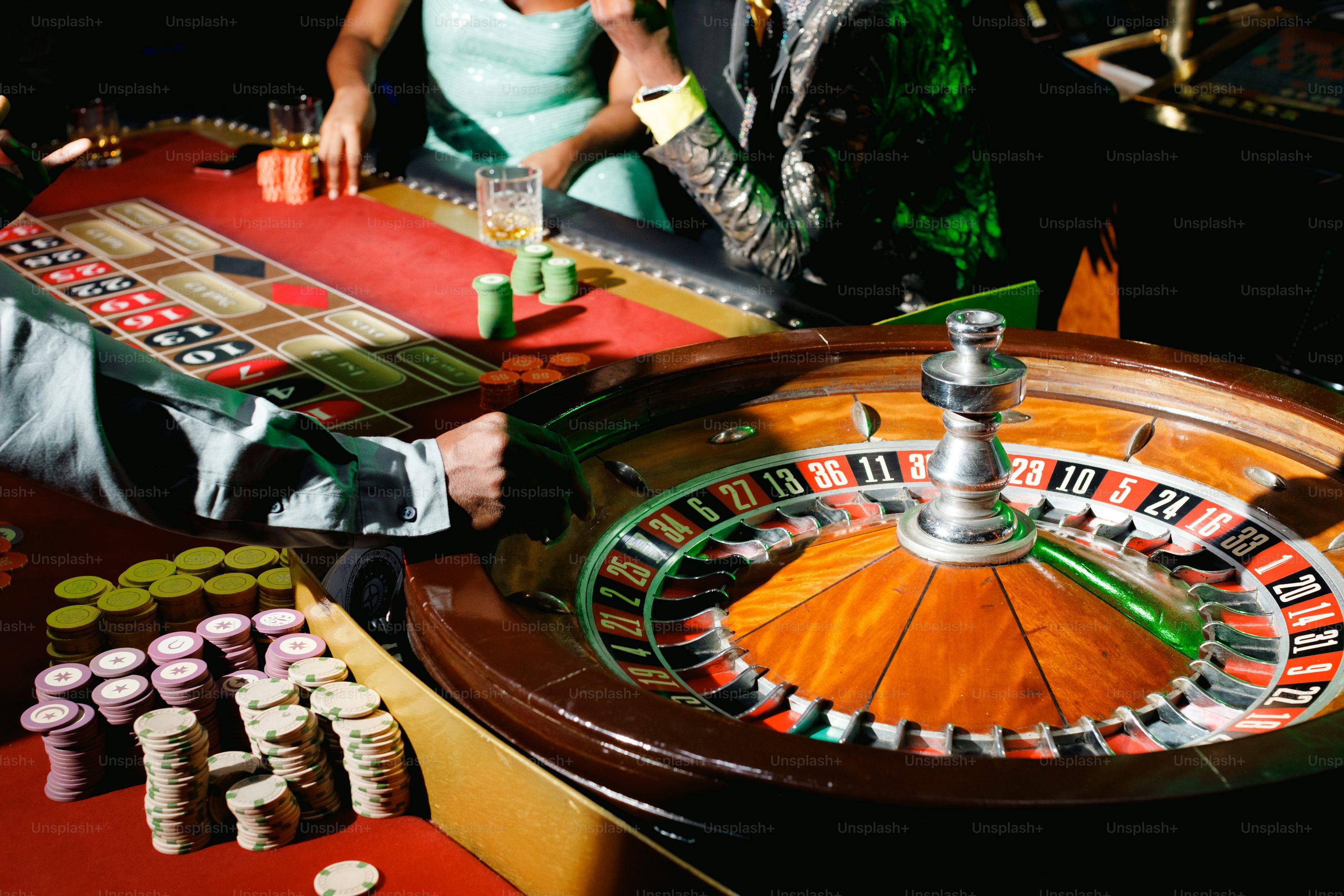
Moreover, the evolution of local gambling games mirrors the socio-economic developments within these cultures. For instance, betting on the outcomes of sporting events can be traced back to ancient times and has transformed into a global industry, showcasing that what began as simple wagers have grown into multifaceted systems that resonate with contemporary values.
Western Attitudes Towards Gambling
In much of Western society, gambling is often seen through the lens of individual freedom, where people view it as a form of entertainment or leisure activity. In countries like the United States, gambling has evolved into a thriving industry, with states legalizing numerous forms, from casinos to sports betting.
However, this liberal attitude is sometimes juxtaposed with moral concerns and prohibitions, particularly among religious groups who argue against it. As a result, debates surrounding regulation and the morality of gambling frequently resurface, reflecting a culture that both enjoys and scrutinizes this activity. The growth of online gambling platforms has further complicated these discussions, as they bring gambling into homes, raising questions about addiction and the ease of access.

Additionally, many Western governments recognize the potential economic benefits of gambling, including tax revenue and job creation, which fuels ongoing discussions around its regulation. This duality of enjoyment and concern cements gambling as a cultural focal point, where laws and societal norms continuously interact and evolve.
Asian Perspectives on Gambling
In many Asian cultures, gambling is deeply intertwined with social customs and familial bonds. For instance, in countries like Japan, traditional games such as Pachinko blend skill and chance, and these venues often serve as community gathering places. Gaming is frequently viewed as a rite of passage or social activity rather than merely a means to win money.
Conversely, nations like Singapore and Macau have developed into gambling hubs, attracting tourists from across the globe. Here, we see the cultural acceptance of gambling intertwined with economic prosperity, suggesting that in certain contexts, gambling can be a well-respected endeavor. The booming casino industries in these locations highlight the balance between cultural acceptance and commercial success, where gambling serves as both entertainment and a significant contributor to the economy.
Furthermore, events like festivals often feature various forms of gambling, illustrating its role in community cohesion. This communal aspect reinforces social ties, as families and friends come together to enjoy these time-honored traditions.
Religious Views on Gambling
The influence of religion plays a significant role in shaping cultural attitudes toward gambling. In Islamic countries, gambling is generally seen as haram, or prohibited, based on religious doctrine that views it as a source of sin. Many nations with Muslim populations enforce strict gambling laws that reflect these beliefs.
In Christianity, views on gambling can vary widely. Some denominations advocate for complete abstinence, while others see controlled gambling as permissible in moderation. These differing religious interpretations highlight how spiritual beliefs can shape national landscapes regarding gambling. For instance, in some regions, church communities actively engage in discussions about the moral implications of gambling, advocating for responsible behaviors that align with religious teachings.
Additionally, the tension between faith and gambling can lead to unique cultural expressions, where events are organized to raise funds in a manner that aligns with both social enjoyment and community service, blurring the lines between recreation and spirituality.
Learn More About Cultural Perspectives
The cultural perspectives on gambling are vast and complex, reflecting centuries of history, social dynamics, and religious beliefs. The diversity in attitudes signifies that gambling is not merely a recreational activity; it touches upon ethics, community values, and even national identity.
For those interested in exploring these multifaceted views further, resources discussing different societal attitudes can provide a wealth of knowledge. To deepen your understanding and findings, visit website for additional insights into cultural dynamics and societal practices surrounding gambling around the world. Expanding one’s awareness of cultural differences can foster a deeper appreciation for the varied ways in which gambling is both embraced and challenged globally.