
These feelings can naturally increase overall feelings of anxiety in daily life. After completion of the behavioral tasks and the intervention, participants are asked to take part anxiety and drinking at an ad-libitum taste test as a covert measure for alcohol consumption. The ad-libitum taste test is a widely used method, which provides an unobtrusive and indirect measure of participants’ motivation to drink alcohol 84. All participants are given two 0.33 l glasses of beer (two brands each containing 5% alcohol) and two 0.33 l glasses containing different soft drinks.
Factors affecting alcohol consumption and alcohol-related harm
Analysis with these variables will be adjusted for initial cortisol concentration to alleviate confounding risk as AUC variables may be comprised of variance due to stress reactivity and stress-unrelated HPA axis activity 113. All analysis including cortisol secretion during the TSST will be run twice with all participants in the first and with exclusion of non-responders to the TSST (increase of 1.5 nmol/l compared to baseline 114) in the second run. With regard to alpha-amylase, both AUC measures and peak minus baseline levels will be calculated. In the control condition, subjects participate in a Placebo-TSST, which is comparable in time and task division but without any audience and stress exposure for the participants 101. It starts with a preparation period, followed by a free speech about the last vacation and finishes with a simple task of counting forward. This creates a setting that is as close as possible to the TSST, but does not contain stressful components (evaluative threat and uncontrollability).
Why Does Quitting Alcohol Make You Anxious?
- While you might not notice it, your hormones are starting to improve as well, with libido and sexual function revving back up.
- If you’re considering a break from alcohol, it might also be helpful to think about why you drink.
- As a result, people feel malaise (a general feeling of unwellness), fatigue, headache, and other physical symptoms.
- Trying guided meditation is a great way to get started with mindfulness.
But as you continue to drink, you become drowsy and have less control over your actions. Alcohol use disorder can include periods of being drunk (alcohol intoxication) and symptoms of withdrawal. Some people are genetically predisposed to experience heightened anxiety when consuming alcohol due to variations in neurotransmitter systems. At CalmClinic, we believe that information is only as helpful as its accuracy. That is why all of the content that we publish is always reviewed and analyzed by professionals in the psychology and healthcare fields.
How Alcohol Affects Anxiety Disorders
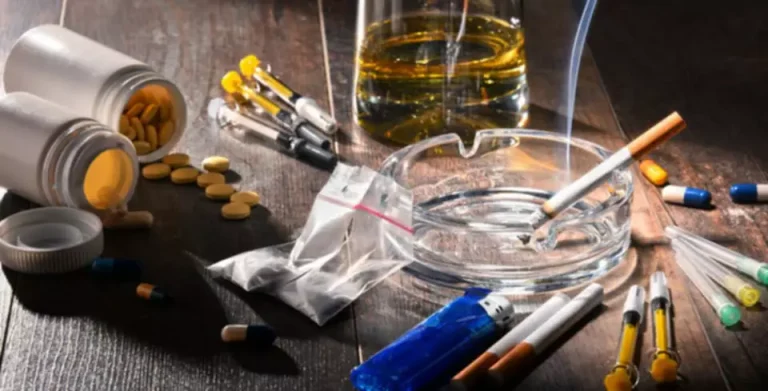
This self-medication of the issue makes them more likely to develop a dependence and eventually an addiction. Doctors often attribute anxiety after drinking to withdrawal from alcohol. If you experience mild anxiety after having a few too many, it may be attributable to a much milder version of severe withdrawal. More intense versions of the same symptoms are commonplace for heavy drinkers and binge drinkers experiencing physical withdrawal from alcohol. There are many effective treatments for anxiety and alcohol use disorders, including ongoing individual therapy, group therapy, prescribed medications, or a combination of these methods. If you are using alcohol as a self-medicating measure, you might feel it “works” to help you cope with your symptoms.
- Younger individuals, particularly those in their late teens and early twenties, may be more susceptible to alcohol-induced anxiety due to the developing brain’s response to substances.
- Any anxiety disorder can be dangerous, but some have become more notorious than those listed above.
- Of course, alcohol withdrawal itself can also cause anxiety and panic attacks.
- While these areas may take the greatest hit from regular drinking, they aren’t the only ones affected.
- In fact, if you’re experiencing anxiety, drinking alcohol could be making things worse.
Types of Anxiety Disorder
Maybe you’re grieving the loss of friendships with old drinking buddies. Or maybe you’re struggling to forgive yourself for drunken mistakes you can’t take back. In addition to all the reasons we just discussed, it’s important to note that sometimes you feel depressed after quitting because you’re wrestling with some big emotions you what is Oxford House don’t typically allow yourself to feel. If you experience any of these symptoms and they are interfering with your daily life and/or putting you at major risk for relapse, do not be afraid to reach out to your doctor.
- If your blood alcohol content (BAC) rises gradually, as opposed to rapidly, you’re less likely to experience withdrawal symptoms.
- You may start to experience anxiety from drinking just a few hours after you’ve started.
- Escitalopram is often prescribed for patients with persistent anxiety symptoms related to alcohol-induced anxiety disorder.
- The result is a miserable feeling that nothing will ever be good again.
- Since alcohol can cloud your brain, it can keep you from seeing helpful solutions to problems.
Women’s Mental Health: Empowerment and Wellness
If you wake up feeling miserable after a night of drinking, you don’t have to wait it out. Here are a few strategies to help you lift your spirits in the moment. When you regularly turn to alcohol to manage challenges and negative feelings, you may not take other actions that could help you address those problems effectively. It’s not uncommon to use alcohol to cope with difficult feelings and experiences. Because denial is common, you may feel like you don’t have a problem with drinking.
It lowers levels of GABA—making you feel less calm—and boosts glutamate, which increases anxiety. Acetaldehyde contributes to inflammation in the liver, pancreas, intestinal tract, and brain, among other organs. As a result, people feel malaise (a general feeling of unwellness), fatigue, headache, and other physical symptoms. Talk to your doctor about alcohol consumption before taking any of these medications, as side effects can be harmful or fatal. Alcohol changes levels of serotonin and other neurotransmitters in the brain, which can worsen anxiety.